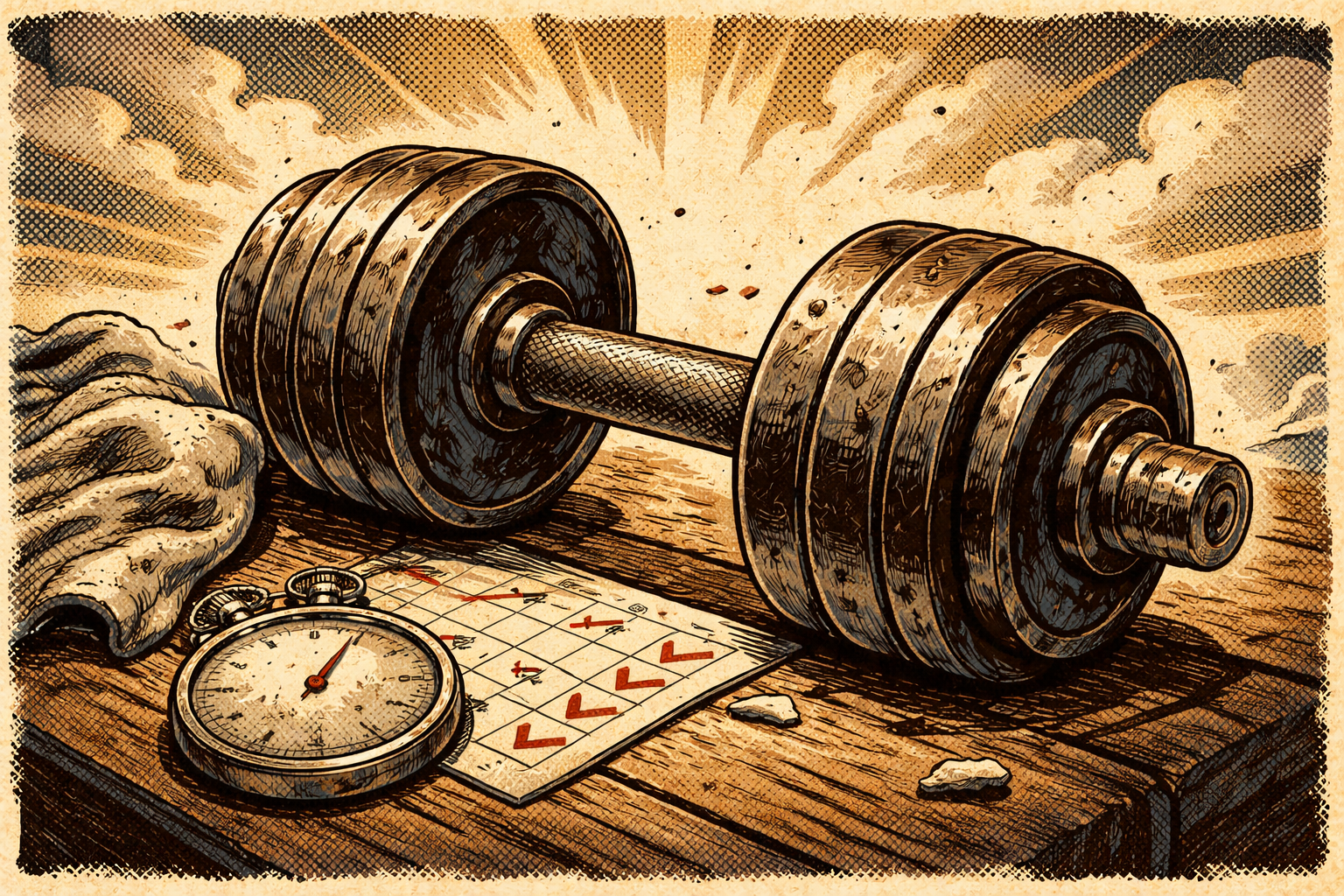
Make Progress Automatic
Small, repeated actions shape identity more than intention ever will. Daily habits act as the structural surface that turns effort into lasting change.
Small, repeated actions shape identity more than intention ever will. Daily habits act as the structural surface that turns effort into lasting change.

A weekly planning ritual is less about productivity and more about authorship; when the standard slips through small renegotiations, direction turns reactive until the line is restored.
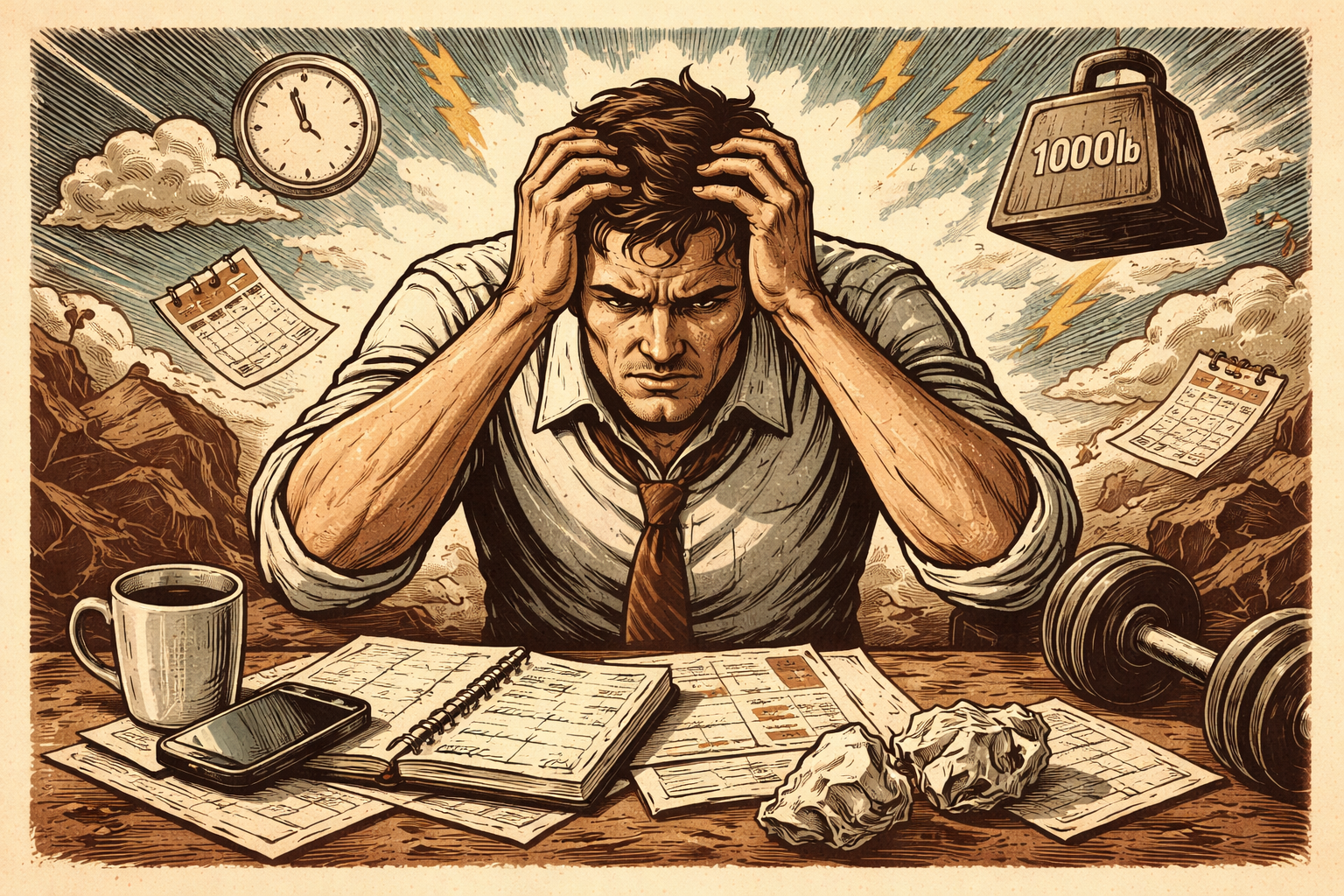
Starting over repeatedly is usually not a motivation problem but an identity problem; when a man defines who he is, discipline stops being negotiable and becomes consistent.

Men are shaped less by stated goals than by inherited self-stories; when the script is examined and rewritten, ordinary decisions begin to change trajectory.
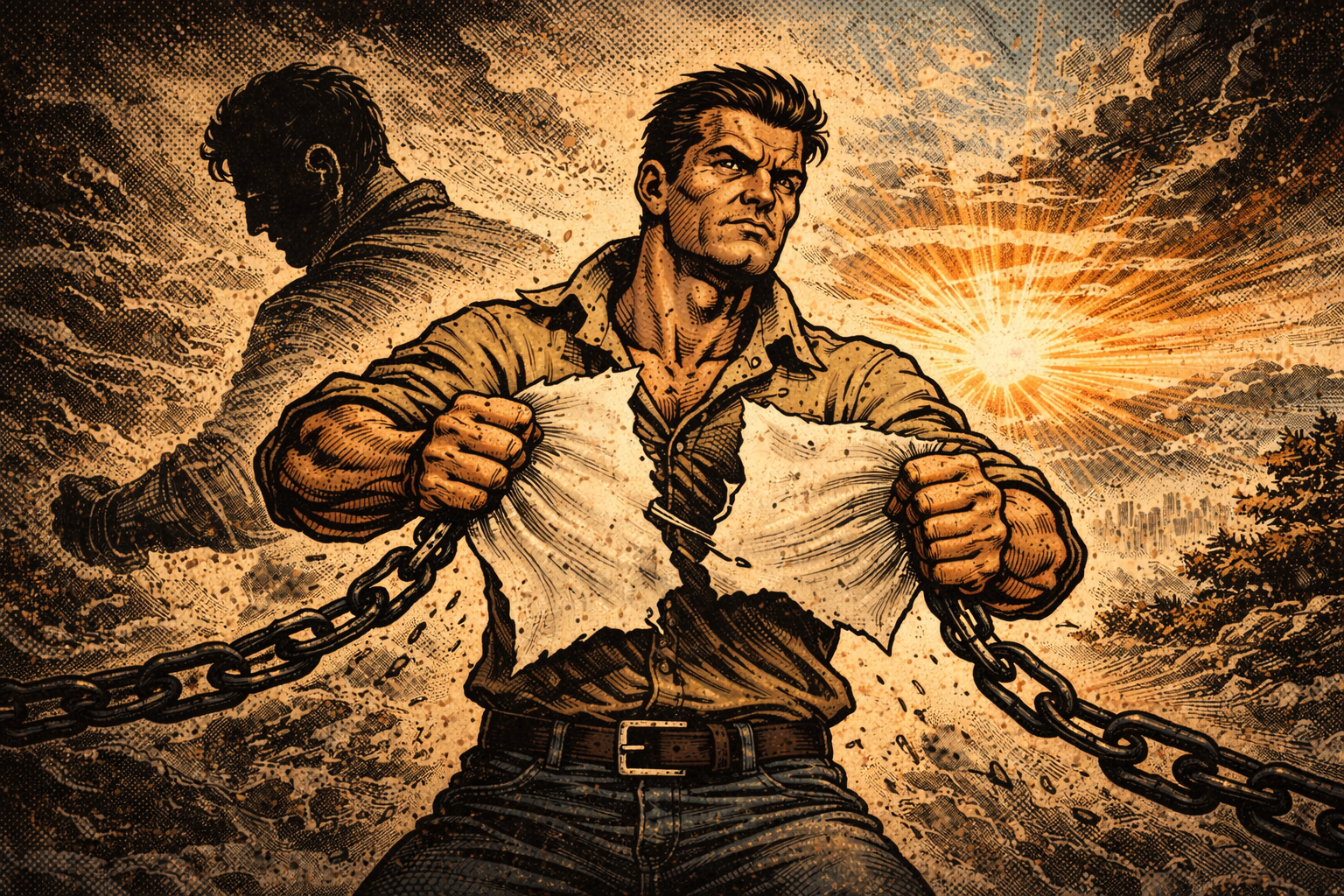
Change the script you live by, and your actions start changing on their own. The Weight You Wake Up With Most mornings begin the same way. You wake up already negotiating with yourself—about whether today is the day you finally act, or just another day you explain why you couldn’t. Nothing dramatic happens. No crisis. No failure large enough to justify the weight you feel. Just a familiar drag, like walking with a hand subtly pressing between your shoulder blades. You move through the day competently enough. From the outside, it looks fine. From the inside, it feels stalled. ...
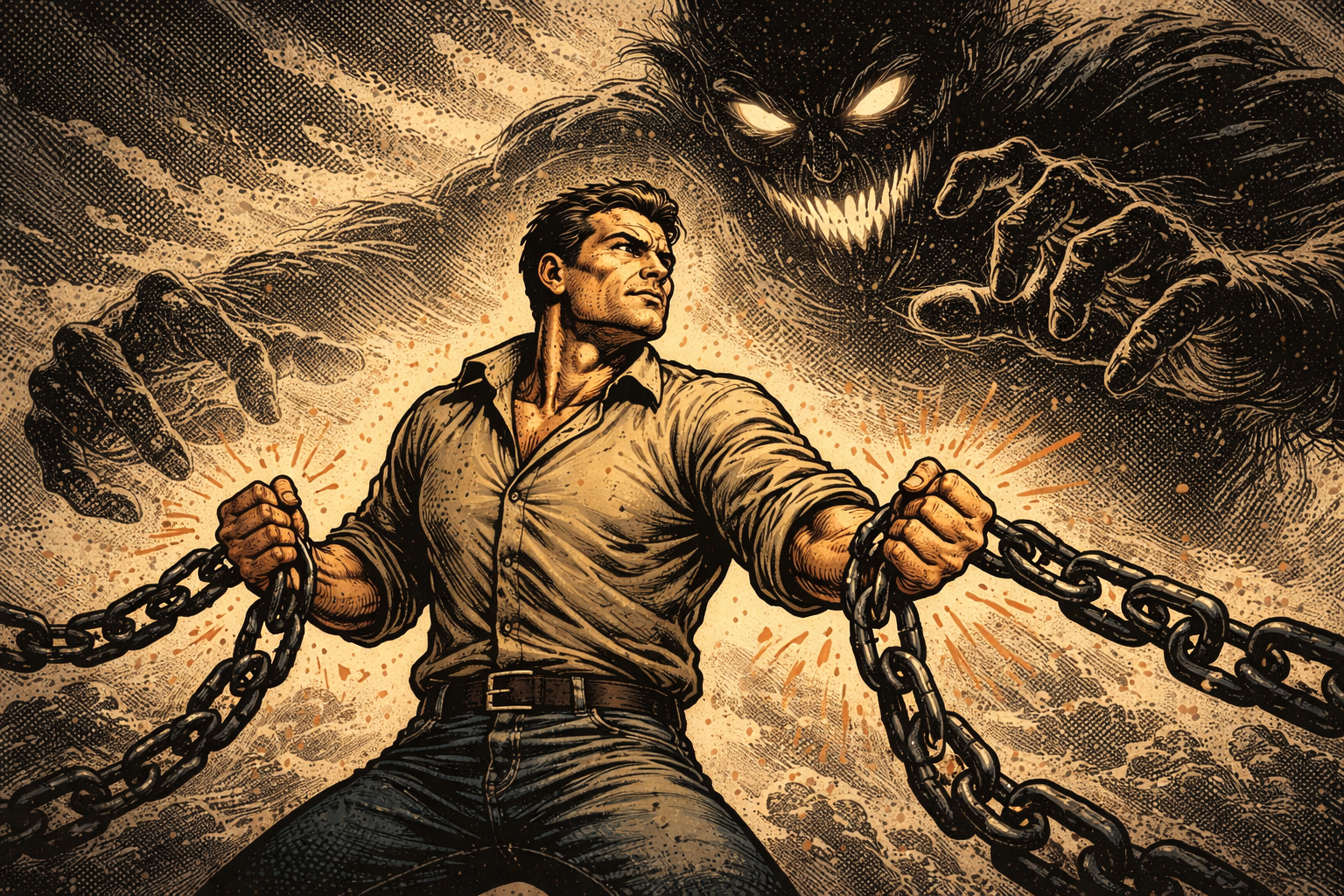
You are not stuck because you lack ability. You are stuck because an old story is still running your decisions.

Progress stalls less from lack of skill than from the hidden sentence about identity that shapes risk, effort, and follow-through before action begins.
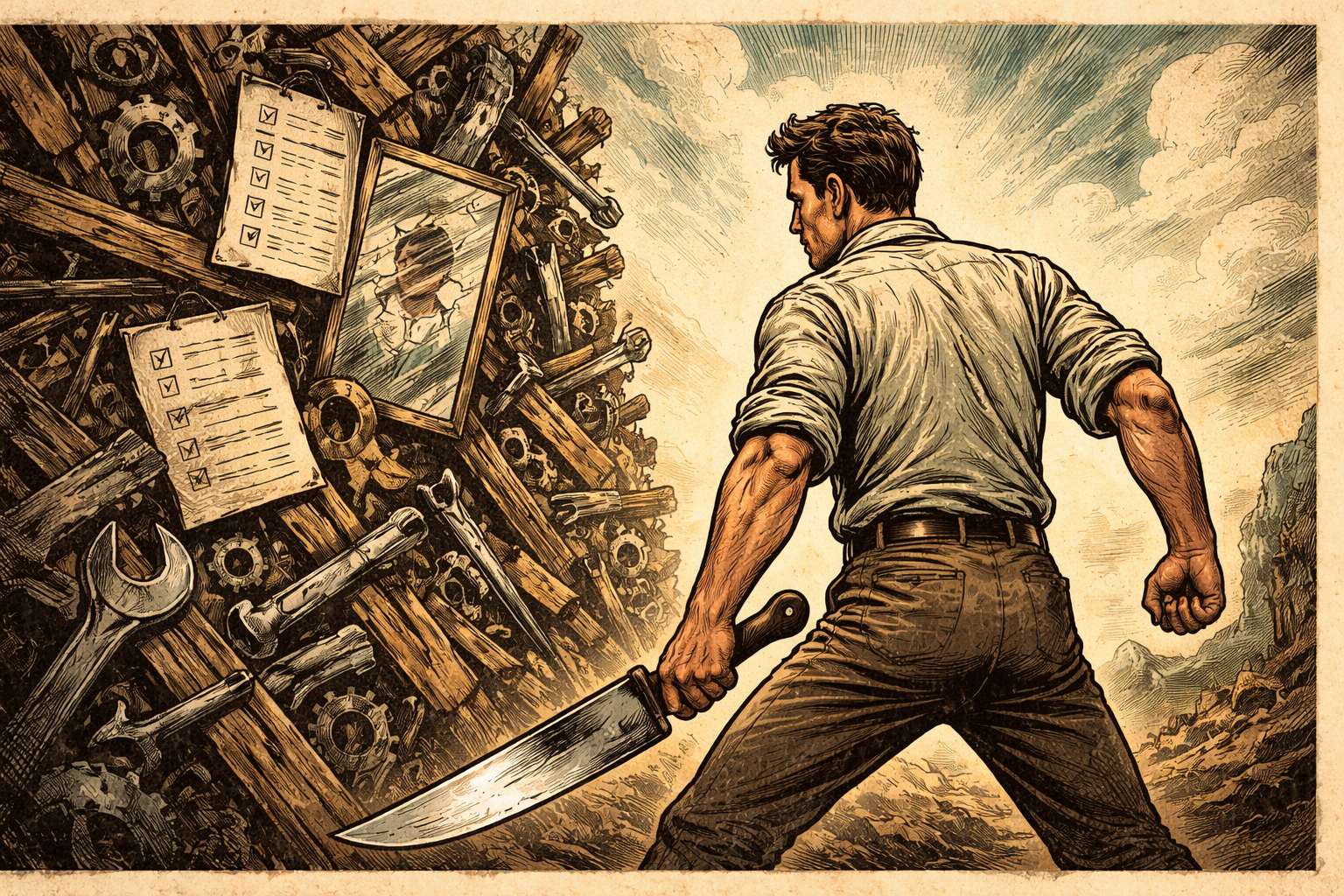
Most people stall by trying to fix every weakness; real progress comes from identifying core strengths, sharpening them, and deploying them where they create leverage.